How Your Donation Creates Second Chances and Changes Lives
Determination can help someone take the first step, but successful reentry also requires practical resources, trusted mentors, and access to stable employment. Donors help provide that foundation. Every contribution can help someone prepare for a job interview, connect with a mentor, or get ready for the workplace. With the right support, formerly incarcerated individuals can rebuild their lives, provide for their families, and strengthen their communities.
Read More
Why Investing in Prison Reentry Programs Benefits Everyone
Behind the legal terms of the criminal justice system are living human beings with families, dreams, and the capacity for profound personal change. Society frequently expects individuals to rebuild their lives instantly, yet systemic barriers lock them out of the foundational necessities required to survive.
Without structured support, the overwhelming pressure of securing immediate shelter, managing unaddressed mental health struggles, and finding stable employment can push people back into old survival mechanisms. Reentry programs step directly into this gap.
Read More
A Second Chance Costs Less Than a Prison Cell
Imagine walking out of a heavy iron door with nothing but a plastic bag, $40 in gate money, and a criminal record. For thousands of individuals leaving prison each year, the path ahead looks less like a fresh start and more like a maze without an exit. Without housing, steady employment, or emotional support, many people quickly return to custody.
Read More
The Power of Second Chances: How Supporters Transform Lives After Incarceration
Each year, approximately 650,000 people leave state and federal prisons and return to communities across the United States. Many face significant barriers to rebuilding their lives, including housing instability, unemployment, and social stigma.
Formerly incarcerated individuals are about 10 times more likely to experience homelessness than the general public. Research highlighted by the US Chamber of Commerce found that nearly six in 10 formerly incarcerated individuals experience unemployment during the first four years after release. Even college-educated men with criminal records receive job callbacks at half the rate of those without records.
Read More
Restoring Lives After Prison
Coming home from prison can bring both relief and uncertainty. Many people leave with only a few belongings and face immediate challenges finding housing, employment, transportation, healthcare, identification, and support.
The US incarcerates nearly two million people, and more than 600,000 return home from prison each year. Without community support, barriers to stability and healing can make successful reentry difficult.
Read More
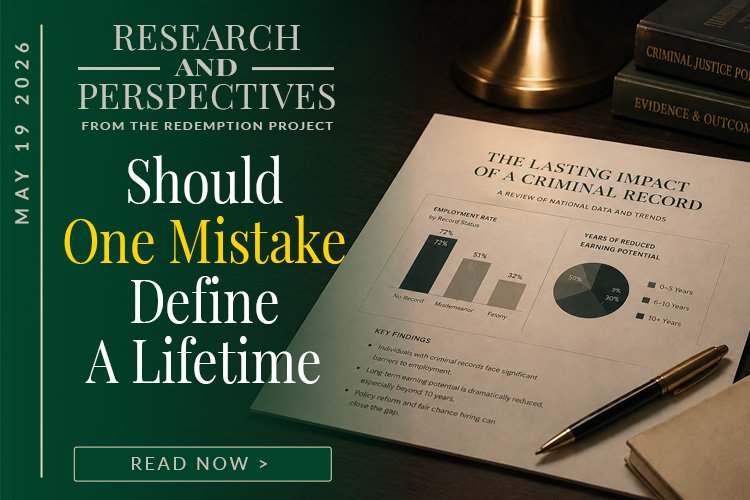
Why Second Chances Matter: Should One Mistake Define a Lifetime?
We all make mistakes. Some are small and private. Others follow us for years, shaping how people see us, and sometimes, how we see ourselves.
Now imagine carrying that moment with you everywhere. It affects where you can work, where you can live, and how others treat you. For millions of Americans, that isn’t hypothetical. It’s daily life.
That leads to a simple, yet powerful question: Should one mistake define a lifetime?
Read More