
The Hidden Cost of Recidivism, And How TRP Saves Taxpayers Millions
Whenever I talk to people about The Redemption Project, I remind them of something simple but often overlooked: recidivism is expensive. Not just for the men and women who end up back in prison, but for every taxpayer, every employer, every community, and every family affected by the cycle.
What most people don’t realize is that the cost of incarceration isn’t just measured in prison beds and security staff. It shows up in the strain on county services, in child welfare systems, in emergency rooms, in lost productivity, and in communities that shoulder the burden of instability.
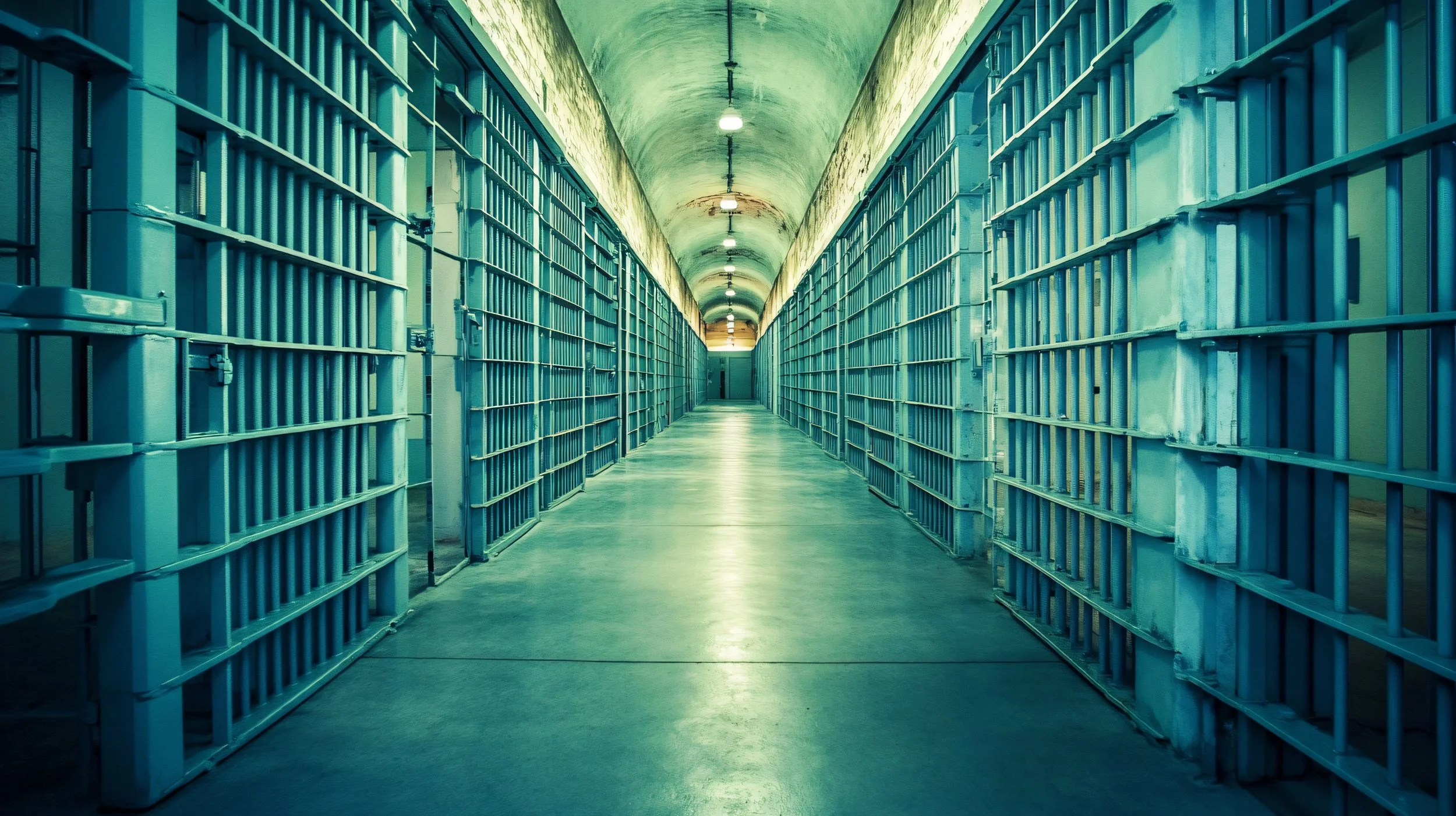
In Minnesota, the average cost to incarcerate one person is tens of thousands of dollars per year. Add the ripple effects, court costs, probation violations, emergency assistance, unemployment, and the long-term impact on children, and the price tag grows even higher. Every time someone cycles back into the system, taxpayers pay for it again and again. But here’s what I’ve learned after years of walking alongside people coming home:
Recidivism isn’t inevitable.
It’s predictable only when nothing changes.
When someone is released with no support, no structure, and no one expecting them to succeed, the outcome shouldn’t surprise us. The system is designed to keep people alive; it was never designed to help them live.
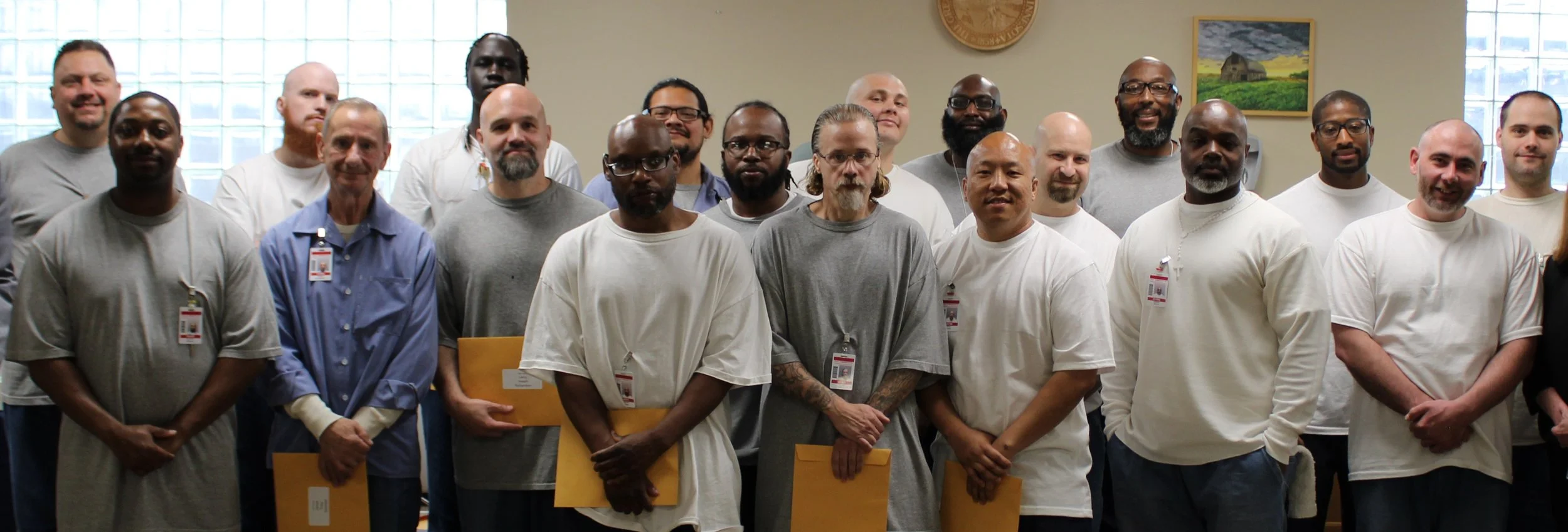
That’s where The Redemption Project comes in.
We invest early, before release, to prepare people for a different path. We create stability through relationships, accountability, employment, mentorship, and community. We surround Associates with people who show up consistently and provide support they can rely on. We build a support system that doesn't disappear when life gets hard.
And the result?
People stay out. They get jobs. They contribute. They raise their kids. They pay taxes instead of costing taxes.
The financial impact is enormous.
When someone stays out of prison, Minnesota taxpayers save tens of thousands of dollars per year, per person. Multiply that by hundreds of lives changed, and the math becomes undeniable:
TRP isn’t just transforming lives; we are creating one of the most cost-effective public outcomes in the entire system.
But numbers alone don’t tell the full story.
Behind every taxpayer savings is a father who gets to tuck his kids in at night instead of calling them collect.
A mother who gets her driver’s license back, buys groceries, and shows her children what consistency looks like.
A man who goes to work every day knowing he has a future bigger than his past.
A woman who chooses recovery, hope, and healing instead of returning to old patterns.
These aren’t just avoided costs.
They are investments paying dividends for generations.
I often say that The Redemption Project exists to break the cycle no one benefits from, not the taxpayers, not the system, not the victims, not the families, and certainly not the individuals caught in it.
We don’t offer handouts.
We don’t offer empty promises.
We offer the tools, structure, and relationships that allow real change to take root.
And every time one of our Associates succeeds, the entire community benefits.
This is why I believe so strongly in the work we do.
Because when you invest in people, you don’t just save money, you rebuild lives, strengthen families, and create safer, healthier communities for everyone.
That’s a return on investment you can feel.
Dwight